
Unlocking the Future
The Power of Vehicle-to-Grid Technology
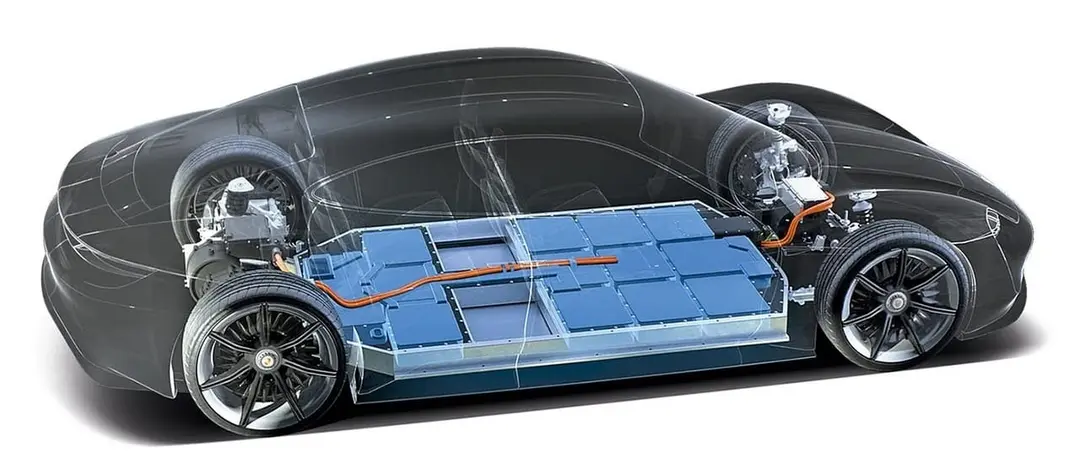
In the dynamic landscape of renewable energy and electric vehicles (EVs), a revolutionary concept is gaining traction – Vehicle-to-Grid (V2G) technology. This innovative approach not only transforms how we view electric vehicles but also plays a pivotal role in shaping the future of sustainable energy solutions.
Understanding Vehicle-to-Grid (V2G) Technology At its core, Vehicle-to-Grid technology allows electric vehicles to serve as more than just modes of transportation. These EVs become mobile energy storage units that can interact with the electricity grid, creating a two-way flow of power. This means that energy stored in an EV’s battery can be fed back to the grid when needed, providing a range of benefits for both vehicle owners and the broader energy ecosystem.
Key Benefits of Vehicle-to-Grid Technology
- Grid Support and Stability: V2G technology enables electric vehicles to supply excess energy back to the grid during peak demand periods. This support helps balance the grid and ensures a stable and reliable energy supply.
- Economic Incentives for EV Owners: Owners of electric vehicles can benefit financially by participating in V2G programs. When their vehicles are plugged in and not in use, they can earn money by selling surplus energy back to the grid.
- Emergency Backup Power: In times of power outages or emergencies, electric vehicles equipped with V2G technology can function as mobile power sources. This capability ensures a reliable source of backup power for homes, businesses, and even critical infrastructure.
- Reduced Strain on the Grid: By allowing electric vehicles to contribute energy during peak demand, V2G technology helps reduce the strain on the electricity grid, potentially postponing the need for costly grid infrastructure upgrades.
- Environmental Sustainability: V2G technology aligns with the broader goal of environmental sustainability. By optimizing the use of renewable energy and reducing reliance on traditional power sources, it contributes to a greener and more eco-friendly energy landscape. How Vehicle-to-Grid Technology Works
- Charging Phase: During non-peak hours or when renewable energy sources are abundant, electric vehicles are charged, storing energy in their batteries. Grid Support Phase: When demand on the grid is high, electric vehicles can discharge energy back to the grid. This process provides additional power to meet demand and helps stabilize the grid.
- Return to Charging: After supporting the grid, the electric vehicle returns to the charging phase, ensuring that it is ready for the next cycle.
Challenges and Future Outlook
While Vehicle-to-Grid technology holds immense promise, there are challenges to address, including standardization, infrastructure development, and ensuring the longevity of EV batteries. However, ongoing research and development are paving the way for solutions to these challenges.
As the technology continues to mature, the future looks bright for V2G. With the potential to transform electric vehicles into active contributors to the energy grid, V2G technology is a key player in the transition towards a more sustainable and resilient energy ecosystem.
Conclusion
Vehicle-to-Grid technology represents a paradigm shift in how we think about electric vehicles and their role in the broader energy landscape. It’s not just about driving from point A to point B; it’s about contributing to a greener, more resilient future. As V2G technology evolves, it brings us one step closer to unlocking the full potential of electric vehicles as dynamic assets in the renewable energy revolution.
Embrace the future of energy with Vehicle-to-Grid technology – where your electric vehicle becomes more than a means of transportation; it becomes a driving force for positive change.
For more information on Vehicle-to-Grid technology and how you can be part of this trans-formative journey, feel free to contact us.
Together, let’s drive towards a sustainable and electrifying future.
Explore More
Compare the PlugStream range
See how PlugStream 7S, PlugStream 7T, and the PlugStream 22 family fit different homes, commercial sites, and daily charging routines.